
Visualizing 100 feet can be challenging without a measuring tape. That’s why comparing it to familiar objects is one of the easiest ways to understand this distance. From tall buildings and airplanes to sports fields and giant trees, many everyday things are surprisingly close to 100 feet long or tall.
Whether you’re estimating distances for a project, learning about measurements, or simply curious, these real-world examples make it much easier to picture 100 feet in length. This guide also explains how long 100 feet is to walk and why the foot remains a widely used unit of measurement.
What Measures 100 Feet in Length?
A distance of 100 feet equals 30.48 meters and appears in many areas of daily life, including architecture, transportation, sports, and nature.
| Measurement Unit | Equivalent |
| Feet | 100 ft |
| Meters | 30.48 m |
| Yards | 33.33 yd |
| Inches | 1,200 in |
| Centimeters | 3,048 cm |
These conversions make it easier to understand the scale of 100 feet, especially when comparing it with objects you see every day.
Common Things That Are 100 Feet Long
The following examples provide an accurate and easy way to visualize what 100 feet looks like in real life.
A 10-Story Building

A typical 10-story building stands close to 100 feet tall, although the exact height varies depending on ceiling heights and architectural design.
This is one of the easiest comparisons because apartment buildings, hotels, and office buildings of this size are common in cities. Looking at a 10-story building gives you a realistic sense of how tall 100 feet actually is.
One-Third of a Football Field

An American football field measures 300 feet from one goal line to the other. This means 100 feet is exactly one-third of the field.
If you’ve ever watched a football game, imagine walking from one end of the field to the first major section—that distance is roughly 100 feet.
Two School Buses Parked End to End

A standard school bus is usually 40 to 45 feet long. Two buses parked end to end measure approximately 90 feet, and with a small gap between them, the total distance comes very close to 100 feet.
This comparison works well because school buses are familiar to most people and are easy to visualize.
A Large Oak Tree

Some mature oak trees can grow to nearly 100 feet in height. These massive trees require many decades to reach their full size and are known for their impressive canopies and strong trunks.
A fully grown oak tree is an excellent natural example of what 100 feet looks like.
A Blue Whale

The blue whale, the largest animal on Earth, can grow to almost 100 feet long.
Despite its enormous size, this gentle giant survives mainly by feeding on tiny krill. Its incredible length makes it one of the most fascinating real-world examples of a 100-foot object.
The Boeing 737-500

The Boeing 737-500 has an overall length of approximately 101 feet, making it one of the closest aircraft examples to a 100-foot measurement.
Its size helps passengers appreciate just how large commercial airplanes really are when viewed from the ground.
20× the Heart of a Blue Whale
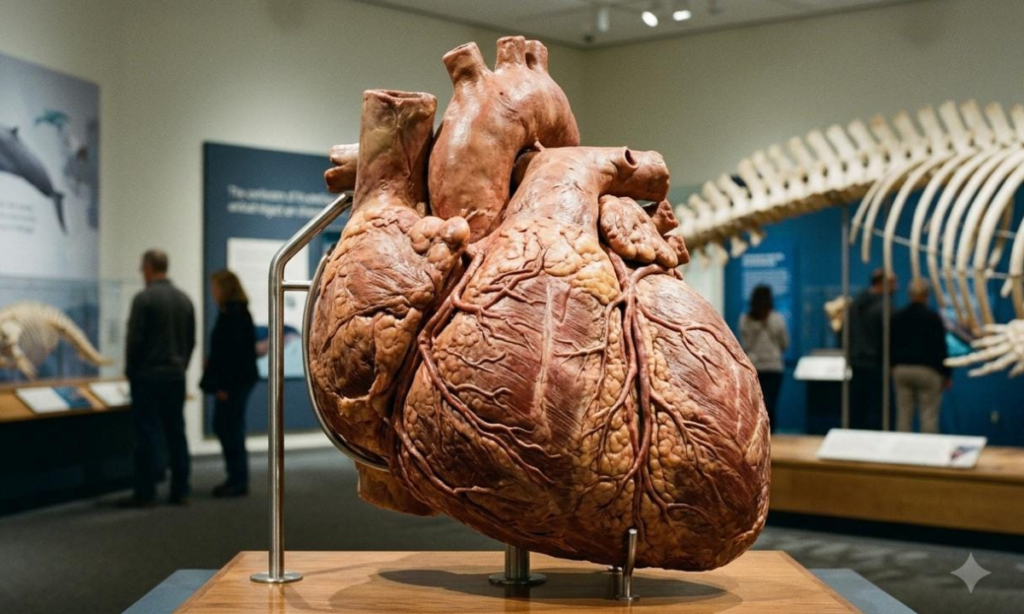
A blue whale’s heart measures around 5 feet from top to bottom. Placing 20 of these hearts in a straight line would create a total length close to 100 feet.
Although unusual, this comparison highlights the incredible scale of the world’s largest animal while making the measurement easier to imagine.
Alligators

An adult American alligator usually grows between 10 and 15 feet long. When you imagine around 10 large alligators lined up nose to tail, their combined length is approximately 100 feet.
This comparison helps visualize the distance using one of North America’s largest reptiles. While alligators vary in size, fully grown adults provide a realistic estimate of this measurement.
Quick Facts
- Average adult length: 10–15 feet
- Habitat: Freshwater rivers, lakes, and wetlands
- Comparison: About 10 large alligators ≈ 100 feet
10× Kayaks

Most recreational kayaks measure 10 feet in length, making them a perfect reference for estimating 100 feet. If you place 10 kayaks end to end, they create a straight line measuring about 100 feet.
This example is especially useful for outdoor enthusiasts who are familiar with kayaking or water sports.
| Number of Kayaks | Total Length |
| 1 Kayak | 10 feet |
| 5 Kayaks | 50 feet |
| 10 Kayaks | 100 feet |
The Eastern Cottonwood Tree

The Eastern Cottonwood is among the tallest native trees in North America. Mature specimens commonly reach 80 to 100 feet, while exceptional trees can grow even taller.
Because of its impressive height and broad canopy, this tree provides an excellent natural comparison for understanding a 100-foot measurement.
Read This: 11 Common Things That Are 8 Inches Long: Everyday Size Comparison Guide (2026)
A Small Rope Bridge or Zipline

Many small rope bridges and recreational ziplines found in parks, camps, and adventure courses are close to 100 feet long.
This length offers enough distance for an enjoyable crossing or ride while remaining suitable for beginners and family-friendly attractions.
Common places where you’ll find 100-foot rope bridges include:
- Adventure parks
- Nature trails
- Summer camps
- Outdoor recreation centers
A Hockey Rink Width

A standard NHL hockey rink measures 85 feet wide, which is only slightly shorter than 100 feet.
When you imagine the rink’s width plus a few extra steps, you get a very accurate idea of what 100 feet looks like.
A Basketball Court
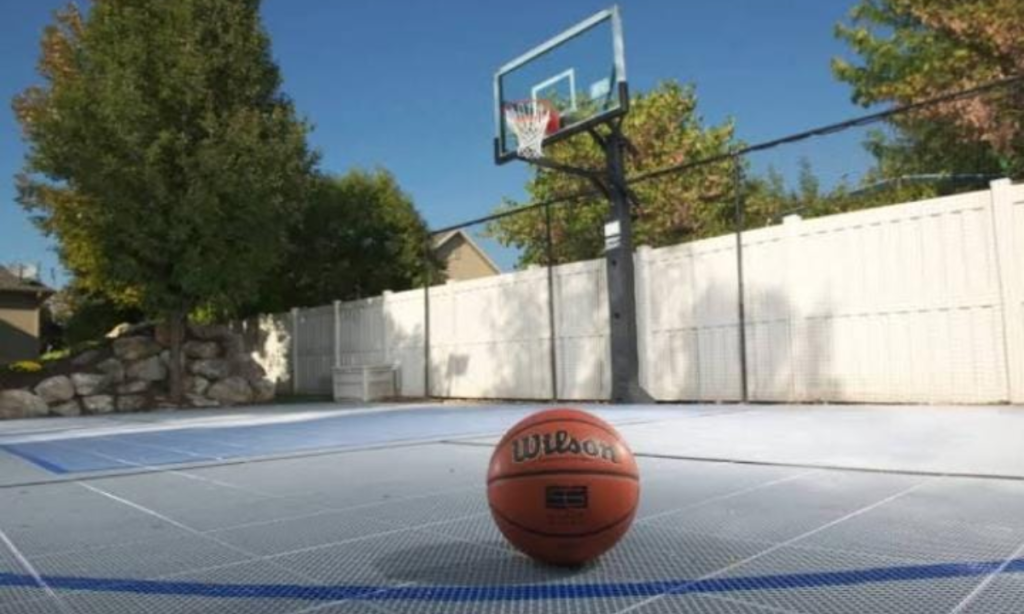
A regulation NBA and college basketball court measures 94 feet long, making it one of the closest everyday examples of 100 feet.
Standing at one baseline and looking toward the opposite end gives you an excellent visual reference, with only about six additional feet needed to reach 100 feet.
| Sports Facility | Length |
| Basketball Court | 94 feet |
| Hockey Rink Width | 85 feet |
| 100 Feet | Slightly longer than both |
10 Basketball Hoops

A regulation basketball hoop stands 10 feet high. If you stacked 10 basketball hoops vertically, their combined height would equal 100 feet.
Although you would never see hoops arranged this way in real life, it’s an easy comparison for anyone familiar with basketball.
Twice the Hollywood Sign

The famous Hollywood Sign letters are approximately 45 feet tall. Doubling that height gives a measurement of around 90 feet, and adding just a little more brings the total close to 100 feet.
This comparison helps demonstrate how impressive a 100-foot structure would appear in real life.
2/3 of an Olympic Swimming Pool
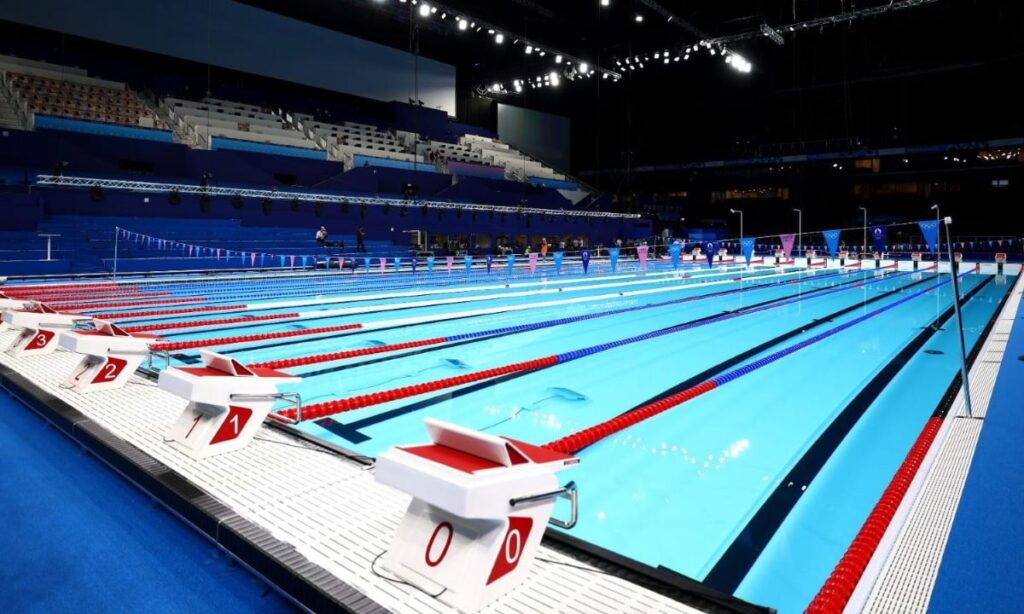
An Olympic-size swimming pool measures 50 meters (164 feet) in length.
Since 100 feet is roughly two-thirds of the pool’s total length, swimmers and sports fans can easily picture this distance during competitions.
Two Semi-Trailers

A standard semi-trailer is typically 48 to 53 feet long. Parking two trailers end to end creates a combined length of approximately 100 feet.
This is one of the most accurate everyday comparisons because semi-trucks are commonly seen on highways and industrial roads.
1.5 Cricket Pitches
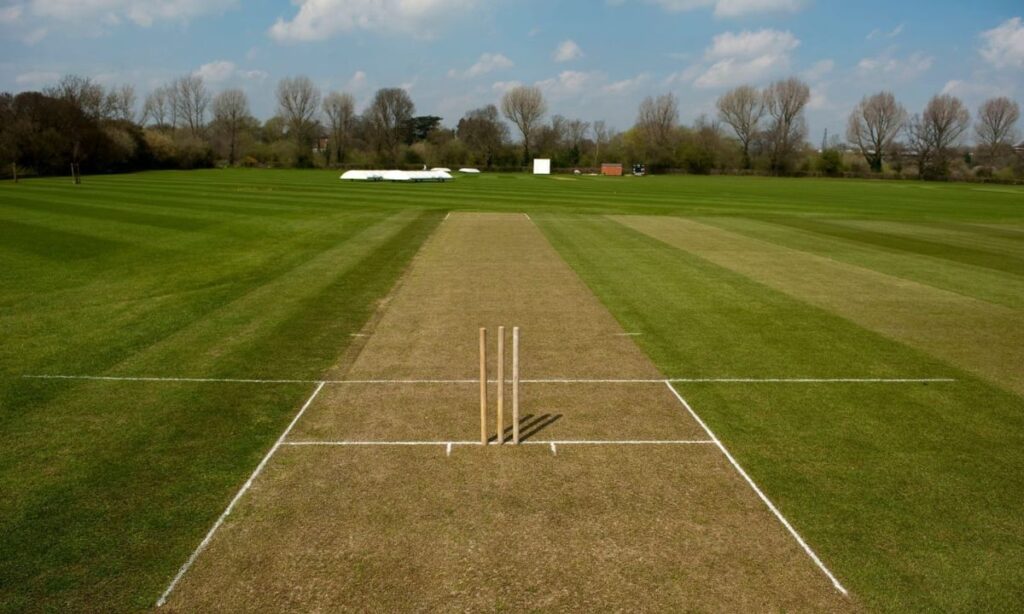
A standard cricket pitch measures 66 feet (22 yards) from wicket to wicket.
A distance of 100 feet is roughly equal to one and a half cricket pitches, making it a useful comparison for cricket fans.
1 and 1/3 of a Bowling Lane

A regulation bowling lane measures 60 feet from the foul line to the headpin.
A distance of 100 feet is approximately one and one-third bowling lanes, giving bowlers an easy way to estimate this measurement without using a tape measure
.
How Long is 100 Feet to Walk?
Walking 100 feet takes only a short amount of time for most people. At an average walking speed of 3 to 4 miles per hour, it usually takes 20 to 25 seconds to cover this distance.
While 100 feet may not seem very long, it is enough to span a small parking area, cross a wide street, or walk the length of a basketball court with a few extra steps. Understanding this distance is helpful for construction projects, sports, landscaping, and estimating measurements without a tape measure.
Here are a few quick ways to picture 100 feet while walking:
- About 40 average adult steps (depending on stride length)
- Slightly longer than a regulation basketball court
- Around one-third of an American football field
- Approximately the length of two semi-trailers parked end to end
Why to Use the Foot
The foot (ft) is one of the most widely used units of length, especially in the United States and a few other countries. It provides a practical way to measure everyday distances that are too large for inches but smaller than miles.
You’ll commonly see feet used in:
- Building and construction measurements
- Real estate and property dimensions
- Sports field sizes
- Furniture and home improvement projects
- Tree and building heights
- Road and bridge planning
Because many familiar objects are measured in feet, it’s easier for people to estimate distances without specialized measuring tools.
Conclusion
Understanding what 100 feet looks like becomes much easier when you compare it with familiar objects. From a 10-story building and a blue whale to a basketball court and two semi-trailers, these examples help you visualize this measurement in everyday life.
Whether you’re estimating distances for work, sports, travel, or personal projects, knowing common objects that measure around 100 feet long provides a quick and practical reference. The next time someone mentions 100 feet, you’ll have several real-world comparisons to picture it with confidence.
Frequently Asked Questions
What is 100 feet equal to in meters?
100 feet equals 30.48 meters.
How many steps is 100 feet?
For most adults, 100 feet is about 40 average walking steps, depending on stride length.
Is a basketball court 100 feet long?
No. A regulation basketball court is 94 feet long, making it just slightly shorter than 100 feet.
How long does it take to walk 100 feet?
At a normal walking pace, it usually takes 20–25 seconds.
What is the easiest way to visualize 100 feet?
Some of the easiest comparisons include a 10-story building, one-third of a football field, two semi-trailers, or a blue whale.

Rimsha creates simple grammar guides, English writing tips, and word meaning content for readers at Hollo Magazine.